
Simple yet luxurious, pearls have defined elegance for centuries as a beloved birthstone. This complete guide by Kirk & Company Jewelers explores everything from the rich history and symbolism of the gem to how to properly clean and store pearl jewelry.
Pearls have been treasured for thousands of years. They have been found in the waters of the Persian Gulf and the Red Sea. It wasn’t until 2,206 BCE, however, that this magnificent gem of the sea was documented by a Chinese historian for the very first time.
Unlike other gems that form within the earth, pearls organically form in the depths of ponds, rivers, lakes, seas, and oceans. Early civilizations didn’t fully understand how they were created, leading to a variety of intriguing supernatural origin stories—many of which tied them to deities.
In Chinese myths, pearls were often tied to dragons. Some said that they would fall from the sky whenever these celestial creatures were in battle, and others believed they came from the brain of dragons.
For people in India, pearls were equally sacred. Lord Krishna, among many other divine figures, supposedly retrieved the first-ever pearl as a gift for his daughter’s wedding. According to Vedic texts, they are born of the water and fertilized by lightning.
Numerous ancient cultures believe the gem to be made from tears. Greeks believed that pearls formed from Aphrodite’s tears of joy. Meanwhile, the Japanese thought they were produced whenever mermaids cried. There are also tales recounting how, upon being banished from Eden, Eve’s tears turned into white pearls, whereas Adam’s became black gems.
Western Asian legends asserted that pearls are produced when oysters swallow up raindrops filled with moonlight. Similarly, some Western stories believe that mollusks create pearls when dewdrops from the moon fall into the sea.
Beyond luxury, pearls were often believed to possess protective and healing qualities. In earlier times, a pearl would be placed on the mouth of the dead in hopes of helping them through their journey into the afterlife. Their tombs were filled with garments and jewelry bearing pearls.
Practitioners of ancient magic imbued pearls with spells for fortune. Chinese traditions associated them with protection from fire and misfortune. Ayurvedic and Middle Eastern practices linked them to supporting digestion, improving eyesight, suppressing muscle tremors, calming mental distress, and promoting overall prosperity.
First-century historian Titus Flavius Josephus drew connections between these stones, zodiac signs, and the months of the year. This eventually evolved into the custom of wearing a particular stone during its assigned month in 16th-century Poland, as doing so was thought to enhance its beneficial properties.
The pearl was assigned as a birthstone for February and later November between the 15th and 20th centuries. Finally, in 1912, the American National Retail Jewelers Association established a standardized birthstone list, designating pearl as June’s primary birthstone. Modern alternatives are alexandrite and moonstone.
Their connection to water and the moon reinforces ideas of serenity, emotional clarity, and vitality. Such positive symbolism can convey your sincere wishes for celebrants of June birthdays.
Pearls also hold a strong place in wedding traditions. Commonly worn by brides as symbols of innocence, loyalty, and fertility, they are believed to promote harmony in marriage. This long-standing association has made pearls a meaningful gift for weddings and milestone anniversaries, especially the 3rd and 30th years.
These gems shine across a range of styles. Classic strand necklaces and stud earrings remain staples, while modern styles with sculptural motifs, asymmetrical silhouettes, and diamond accents offer more distinct options.
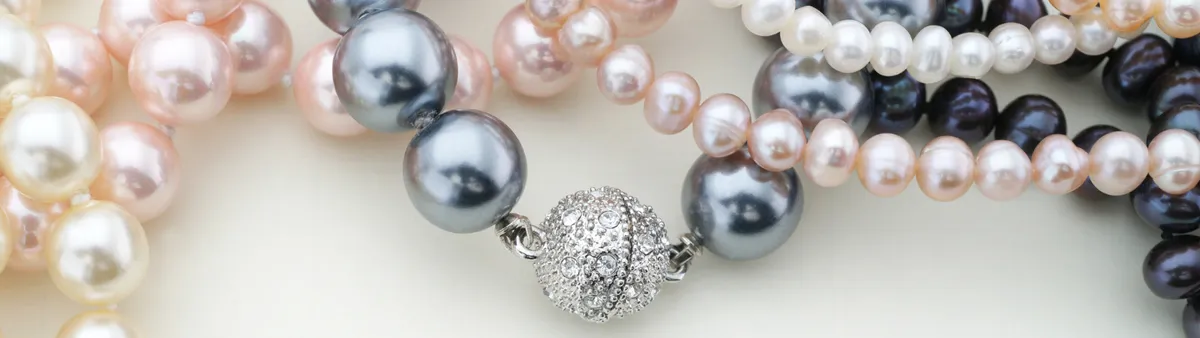
Even better, pearls are available in diverse shades—crisp white, warm gold, deep charcoal, and delicate pastel tones—while shapes vary from perfectly round to captivating baroque pieces. The design possibilities for pearl pieces are virtually endless.
A quick and simple way to test the authenticity of pearls is through texture. Real pearls feel slightly gritty when gently rubbed against each other or your teeth, while fakes feel smooth. When in doubt, consulting a professional jeweler ensures complete confidence in your purchase.
For occasional deeper cleaning, use lukewarm water with a mild soap solution and carefully dry them with a lint-free cloth. Avoid abrasive tools, harsh cleaning solutions, ultrasonic cleaners, and high heat, which can cause discoloration or cracking.
Keep your pearls in jewelry pouches made with soft breathable fabric or cloth-lined jewelry boxes. Don’t keep them in plastic and airtight containers, which can leach chemicals and dry out your pearls.
Over time, strands may loosen due to wear and exposure, so annual restringing with knots between each pearl is recommended to maintain both security and longevity. With mindful handling and care, pearl jewelry continues to offer lasting beauty for many years to come.
The Origin and History of the Pearl Birthstone
Interestingly, the name “pearl” originates from the Old French word perle, derived from the Latin word perna, meaning “leg,” referring to the shape of an open mollusk shell resembling a mutton leg. Over time, the term came to represent the rare and valuable gemstone for those born in June.Pearls have been treasured for thousands of years. They have been found in the waters of the Persian Gulf and the Red Sea. It wasn’t until 2,206 BCE, however, that this magnificent gem of the sea was documented by a Chinese historian for the very first time.
Unlike other gems that form within the earth, pearls organically form in the depths of ponds, rivers, lakes, seas, and oceans. Early civilizations didn’t fully understand how they were created, leading to a variety of intriguing supernatural origin stories—many of which tied them to deities.
Ancient Creation Stories
A diverse collection of fascinating creation myths surrounding the formation of this June birthstone can be found across the globe. Despite their differences, these origin stories share a common thread—the belief that pearls are created by the union of nature and the divine.In Chinese myths, pearls were often tied to dragons. Some said that they would fall from the sky whenever these celestial creatures were in battle, and others believed they came from the brain of dragons.
For people in India, pearls were equally sacred. Lord Krishna, among many other divine figures, supposedly retrieved the first-ever pearl as a gift for his daughter’s wedding. According to Vedic texts, they are born of the water and fertilized by lightning.
Numerous ancient cultures believe the gem to be made from tears. Greeks believed that pearls formed from Aphrodite’s tears of joy. Meanwhile, the Japanese thought they were produced whenever mermaids cried. There are also tales recounting how, upon being banished from Eden, Eve’s tears turned into white pearls, whereas Adam’s became black gems.
Western Asian legends asserted that pearls are produced when oysters swallow up raindrops filled with moonlight. Similarly, some Western stories believe that mollusks create pearls when dewdrops from the moon fall into the sea.
Uses and Effects
Natural pearls, because of their rarity, became “markers” of wealth and status. They often adorned crowns, robes, and many other valuable pieces in royal treasuries and private collections of nobles. They were typically gifted and passed down through the generations.Beyond luxury, pearls were often believed to possess protective and healing qualities. In earlier times, a pearl would be placed on the mouth of the dead in hopes of helping them through their journey into the afterlife. Their tombs were filled with garments and jewelry bearing pearls.
Practitioners of ancient magic imbued pearls with spells for fortune. Chinese traditions associated them with protection from fire and misfortune. Ayurvedic and Middle Eastern practices linked them to supporting digestion, improving eyesight, suppressing muscle tremors, calming mental distress, and promoting overall prosperity.
How the Pearl Became the Birthstone for June
Birthstones have a long and layered history that begins with early Christian tradition. The Book of Exodus describes a sacred breastplate worn by Aaron, adorned with 12 gemstones representing the tribes of Israel. These were believed to carry protective and spiritual powers.First-century historian Titus Flavius Josephus drew connections between these stones, zodiac signs, and the months of the year. This eventually evolved into the custom of wearing a particular stone during its assigned month in 16th-century Poland, as doing so was thought to enhance its beneficial properties.
The pearl was assigned as a birthstone for February and later November between the 15th and 20th centuries. Finally, in 1912, the American National Retail Jewelers Association established a standardized birthstone list, designating pearl as June’s primary birthstone. Modern alternatives are alexandrite and moonstone.
The Meaning Behind Pearl as the June Birthstone
Known for their soft luminous glow and timeless elegance, pearls have long represented virtues such as purity, honesty, integrity, humility, grace, and wisdom—just to name a few.Their connection to water and the moon reinforces ideas of serenity, emotional clarity, and vitality. Such positive symbolism can convey your sincere wishes for celebrants of June birthdays.
Pearls also hold a strong place in wedding traditions. Commonly worn by brides as symbols of innocence, loyalty, and fertility, they are believed to promote harmony in marriage. This long-standing association has made pearls a meaningful gift for weddings and milestone anniversaries, especially the 3rd and 30th years.
Pearl Birthstone Jewelry for June Babies
Because they don’t require faceting or polishing, pearls are one of the few gems ready to wear almost immediately after harvest. Today, most pearls on the market are cultured, making these organic gems more accessible and affordable. In other words, pearl jewelry are exquisite birthday gifts for June.These gems shine across a range of styles. Classic strand necklaces and stud earrings remain staples, while modern styles with sculptural motifs, asymmetrical silhouettes, and diamond accents offer more distinct options.
Even better, pearls are available in diverse shades—crisp white, warm gold, deep charcoal, and delicate pastel tones—while shapes vary from perfectly round to captivating baroque pieces. The design possibilities for pearl pieces are virtually endless.
How to Spot Fake Pearls
When shopping for pearl jewelry, it’s important to distinguish genuine pearls from imitations. Fake pearls are commonly made from plastic, glass, or shell-based materials and coated. However, they often look overly perfect and lack the subtle imperfections found in real pearls.A quick and simple way to test the authenticity of pearls is through texture. Real pearls feel slightly gritty when gently rubbed against each other or your teeth, while fakes feel smooth. When in doubt, consulting a professional jeweler ensures complete confidence in your purchase.
Pearl Jewelry Care and Cleaning
June birthstone jewelry with pearls require gentle, consistent care since it only scores 2.5–3.0 on the Mohs scale. They can easily be scratched by harder jewelry or damaged by chemicals found in perfumes, cosmetics, and even sweat. So to keep it looking its best, always follow the “last on, first off” rule and wipe it down with a damp cloth after each wear.For occasional deeper cleaning, use lukewarm water with a mild soap solution and carefully dry them with a lint-free cloth. Avoid abrasive tools, harsh cleaning solutions, ultrasonic cleaners, and high heat, which can cause discoloration or cracking.
Keep your pearls in jewelry pouches made with soft breathable fabric or cloth-lined jewelry boxes. Don’t keep them in plastic and airtight containers, which can leach chemicals and dry out your pearls.
Over time, strands may loosen due to wear and exposure, so annual restringing with knots between each pearl is recommended to maintain both security and longevity. With mindful handling and care, pearl jewelry continues to offer lasting beauty for many years to come.