
Natural Diamonds · Milford, Ohio
Natural diamonds, shaped by time.
Natural diamonds formed beneath the earth’s surface over one to three billion years. For many of our clients, that is exactly why a natural diamond is the right choice. We help you choose one the way we help with everything else: clearly, calmly, and without pressure.
- GIA graded
- Stone in hand, never just a screen
- Family-owned since 1991
What it is
What a natural diamond actually is.
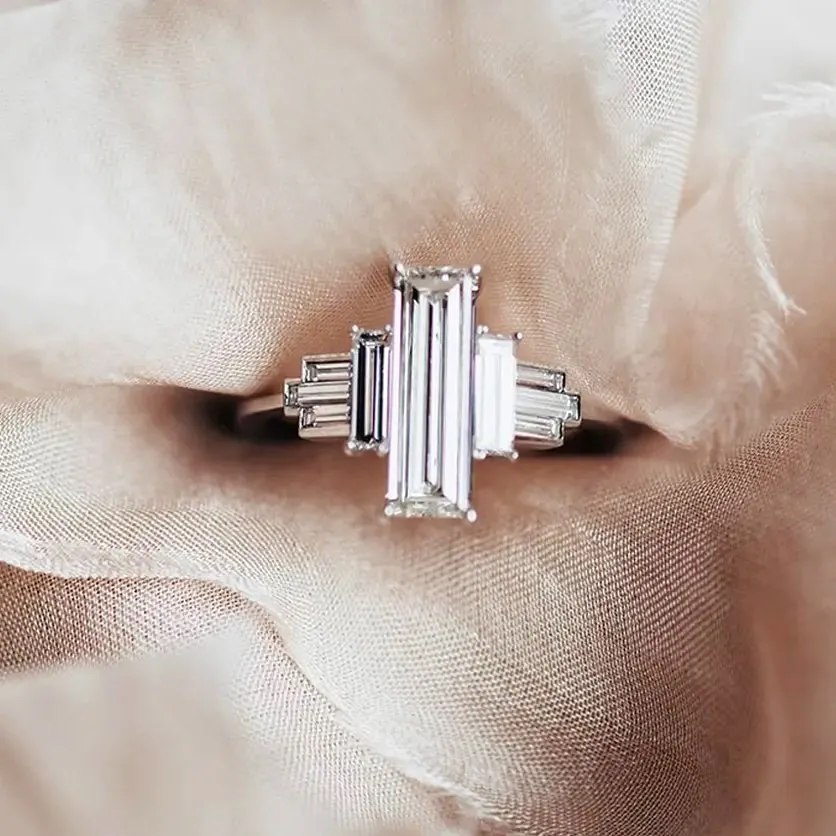
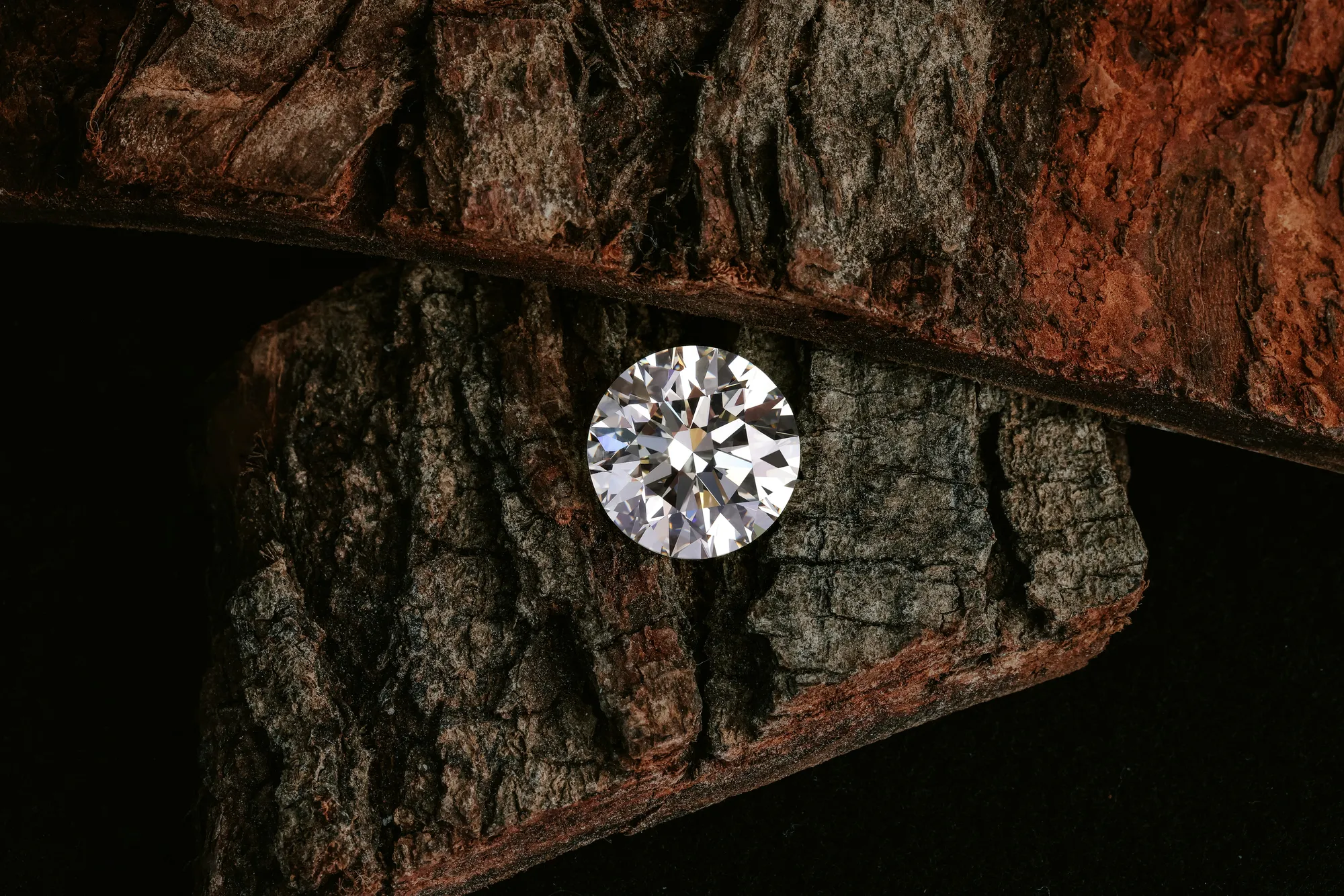
A natural diamond is pure crystalline carbon, formed in the earth’s mantle under extreme pressure and heat over one to three billion years. Geological activity carried it toward the surface, where it was eventually mined.
Every natural diamond is shaped by the specific conditions of its formation, which is why no two are exactly alike. Inclusions, crystal patterns, and color all vary from stone to stone. That individuality is part of what gives natural diamonds their long place in fine jewelry.
We have been in business since 1991 and have called Milford, Ohio home since 2007. We are a third-generation, family-owned jewelry store serving Milford, Madeira, Indian Hill, Mason, Loveland, and the greater Cincinnati area.
How we guide you
The same framework, for every client.
We educate to inform, not to sell. Here is how we walk you through choosing a natural diamond.
- 01
The 4Cs
Cut, color, clarity, and carat weight are the universal standards for diamond quality. Cut is the biggest single driver of how a diamond looks in real life, so we compare stones from our inventory to show you the difference.
- 02
Stone in hand
We do not work from a screen. We pull diamonds and let you see them in the light you will wear them in, so you can see how cut can make a smaller diamond look brighter than a bigger, duller one.
- 03
How it will be set
A diamond is only as good as the setting that supports it. Our designers and goldsmiths talk through how the stone will perform in any style you are considering.
Why clients choose natural
There is no single reason. Here is what we hear.
We do not advocate for one type over another. We help you understand the trade-offs so the choice feels like yours.
- 01
Tradition
The same kind of diamond their parents, grandparents, or great-grandparents wore.
- 02
Heirloom meaning
A piece meant to be passed down, where the stone’s origin adds to its meaning.
- 03
Long-term value
Natural diamonds have historically held their value better than lab grown diamonds, which matters to clients planning for the long term.
- 04
Origin
A stone that formed in the earth over billions of years.
- 05
It just feels right
Sometimes the reason is hard to put into words, and that is fine.
Compare for yourself.
See natural and lab grown diamonds side by side before you decide.
GIA grading and certification
A report that tells you exactly what you have.
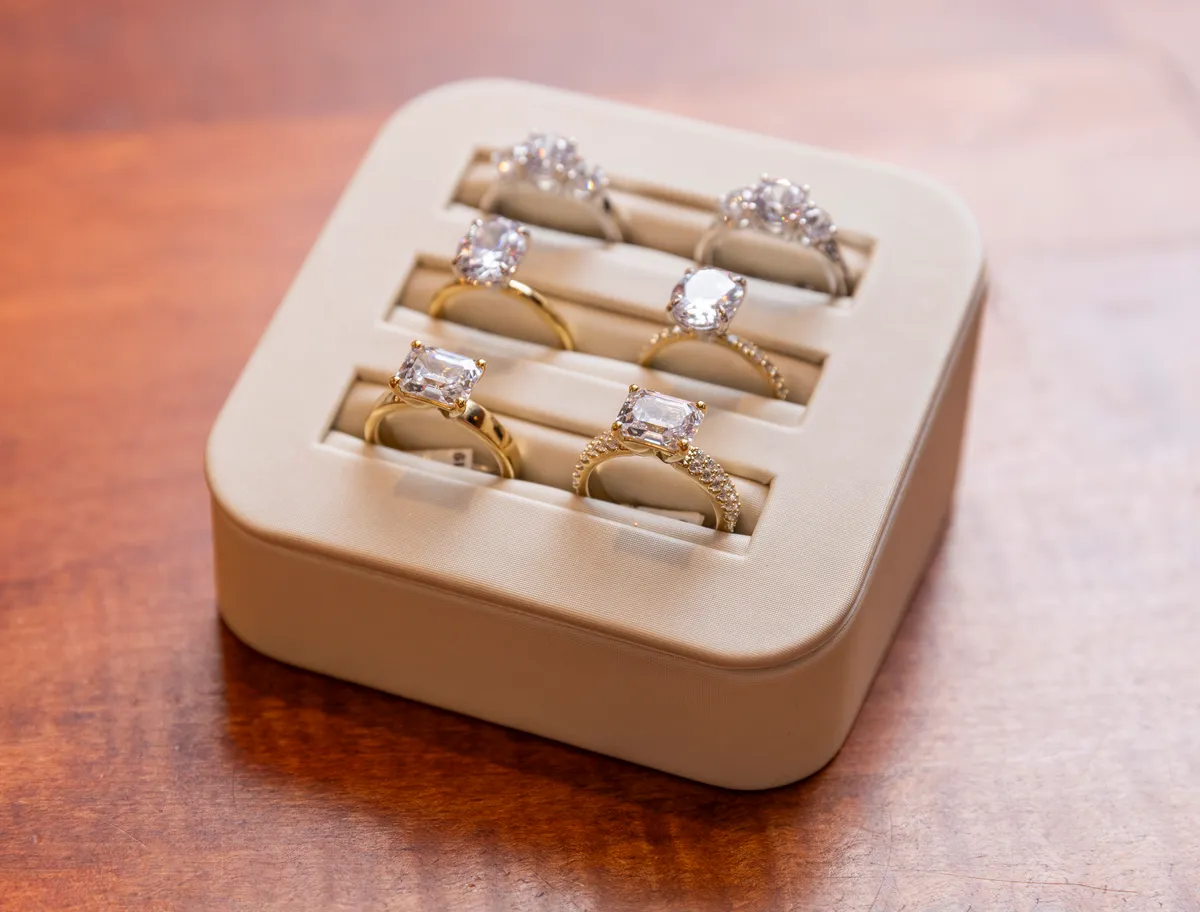
Most of the natural diamonds we sell come with grading reports from the Gemological Institute of America (GIA) or another respected laboratory. A GIA report documents the diamond’s cut, color, clarity, and carat weight, along with polish, symmetry, fluorescence, and any treatments.
We walk you through the report during your appointment. A grading report is not a marketing document. It is a precise description of what you are looking at.
Natural diamonds in custom jewelry
The diamond and the design, moving forward together.
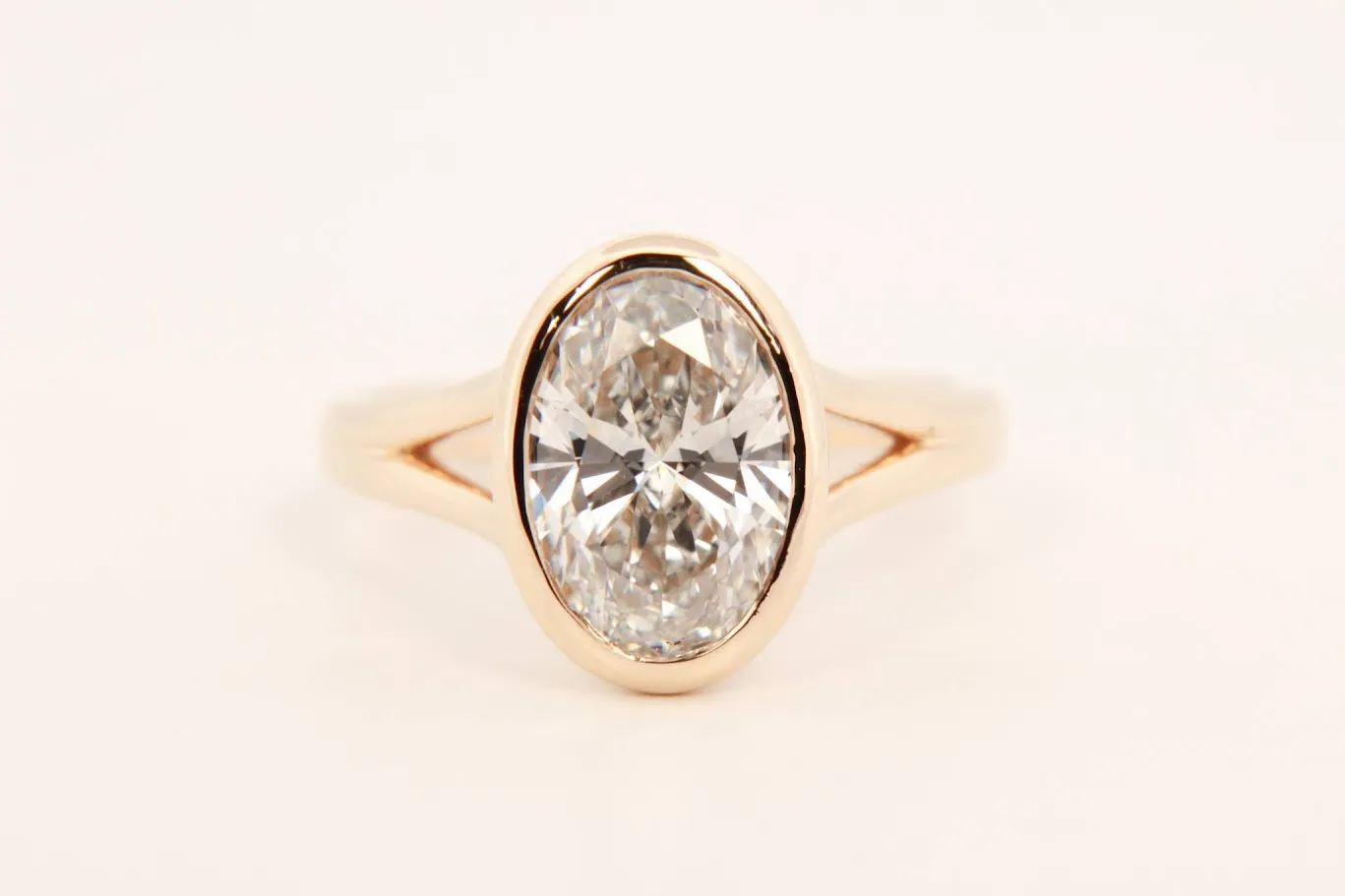
A natural diamond pairs beautifully with custom design. We use natural diamonds in:
- Custom engagement rings, often paired with sapphire or ruby accents
- Wedding bands and anniversary rings
- Heirloom redesigns using diamonds you already own
- Pendants, earrings, and bracelets designed around the stone
Care, service, and support
Hard as a diamond, but not indestructible.
Natural diamonds rate a 10 on the Mohs hardness scale, but settings loosen and prongs wear. Daily wear can also dull a diamond’s sparkle through buildup of skin oils, lotion, and dust.
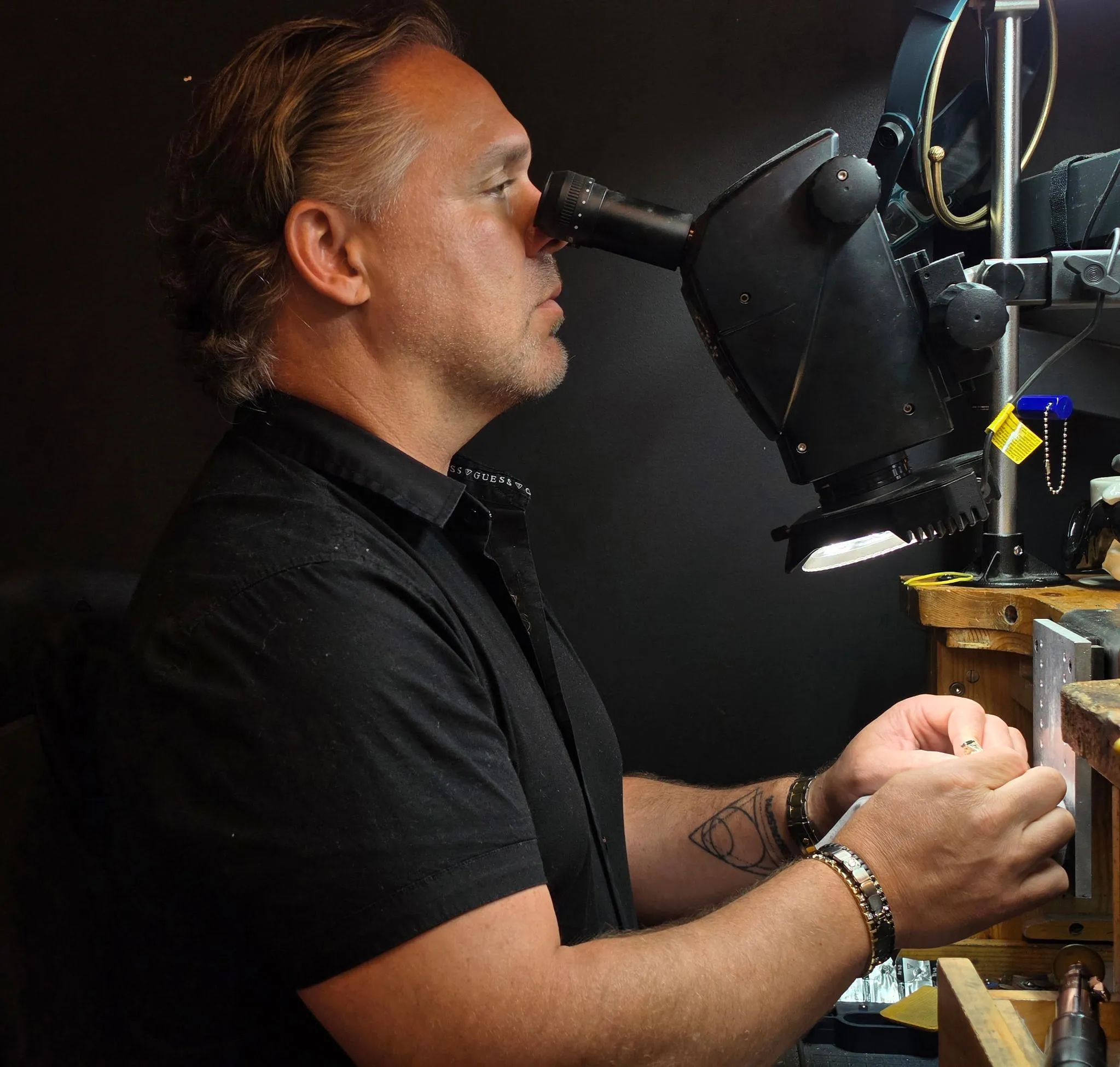
We recommend bringing your diamond jewelry in every six months for a complimentary cleaning and inspection. Our jewelers handle prong repair, retipping, and resizing in-house at our Milford store. Between visits, clean the stone gently with warm water, mild dish soap, and a soft toothbrush.
Frequently asked questions
Good questions. Honest answers.
Still wondering about something? Call or text us at (513) 575-5475.
What is a natural diamond?
A natural diamond is a real diamond made of pure crystalline carbon, formed beneath the earth’s surface over one to three billion years under extreme pressure and heat. Every natural diamond is unique because of the specific conditions of its formation.
Are natural diamonds graded by GIA?
Yes. The Gemological Institute of America (GIA) grades natural diamonds using the 4Cs: cut, color, clarity, and carat weight. GIA developed this system, which is now the international standard for natural diamond quality.
Are natural diamonds better than lab grown diamonds?
It depends on your priorities. Natural diamonds offer origin, rarity, and heirloom meaning. Lab grown diamonds offer size flexibility and a more accessible price for comparable visual quality. We help every client compare both before deciding.
Do natural diamonds hold their value?
Natural diamonds have historically held their value better than lab grown diamonds. The specific value depends on the stone and on broader market conditions. We always recommend buying a natural diamond because you love it, not as a financial investment.
Can I use a natural diamond I inherited in a new piece?
Yes. Heirloom redesigns are part of our custom work. We can evaluate the diamond, design a new setting around it, or pair it with other stones to create something that honors what you inherited and fits the way you live now.
How long does a natural diamond last?
A natural diamond is the hardest naturally occurring substance on earth. With proper care and periodic inspection, it can be worn daily for generations.
Do I need a GIA-certified natural diamond?
For most fine jewelry purchases, especially engagement rings, we strongly recommend a stone certified by GIA or another respected lab. Certification gives you an objective, third-party assessment of the diamond’s quality so you know exactly what you are buying.
How should I care for a natural diamond?
Bring it in every six months for a complimentary cleaning and inspection. Between visits, clean it gently at home with warm water, mild dish soap, and a soft toothbrush. Avoid wearing diamond jewelry during heavy manual work or in chlorinated pools, and apply lotion and perfume before putting it on.
Next step
See a natural diamond in person.
The clearest way to choose a diamond is to see it side by side with another, against your skin tone, on your hand, in your style.
117 Main St · Historic Downtown Milford, Ohio